Satu perdagangan forex adalah tindakan membeli satu mata wang sambil menjual mata wang lain secara serentak untuk mendapatkan keuntungan daripada perubahan kadar pertukaran. Forex, singkatan untuk pertukaran asing, adalah pasaran global di mana mata wang negara dinilai dan ditukar, biasanya dirujuk sebagai pasaran forex. Ia adalah pasaran kewangan terbesar di dunia, beroperasi secara berterusan sepanjang minggu kerja dan menyokong segala-galanya dari perdagangan antarabangsa hingga aliran pelaburan global.
Apabila pedagang mengatakan mereka telah meletakkan perdagangan forex, mereka biasanya bermaksud bahawa mereka telah membuka posisi dalam pasangan mata wang seperti EUR/USD, GBP/USD, atau USD/JPY. Posisi ini mencerminkan jangkaan tertentu tentang bagaimana satu mata wang akan berprestasi berbanding yang lain. Jika pasaran bergerak selaras dengan jangkaan itu, perdagangan menghasilkan keuntungan. Jika tidak, ia mengakibatkan kerugian. Tanpa mengira jangka masa, mekanik asas perdagangan forex tetap sama.
Artikel ini menerangkan apa itu perdagangan forex, bagaimana ia berfungsi dalam amalan, apa yang mendorong harga mata wang, kos yang perlu dipertimbangkan oleh pedagang, dan bagaimana mendekati perdagangan forex dengan cara yang terstruktur dan berdisiplin.
Idea asas di sebalik perdagangan forex
Perdagangan forex dibina atas prinsip mudah: mata wang mempunyai nilai yang berubah-ubah berbanding satu sama lain. Tidak seperti saham atau komoditi, mata wang tidak pernah diperdagangkan secara bersendirian. Sebaliknya, ia sentiasa diperdagangkan dalam pasangan, kerana nilai satu mata wang hanya boleh diukur berbanding yang lain.
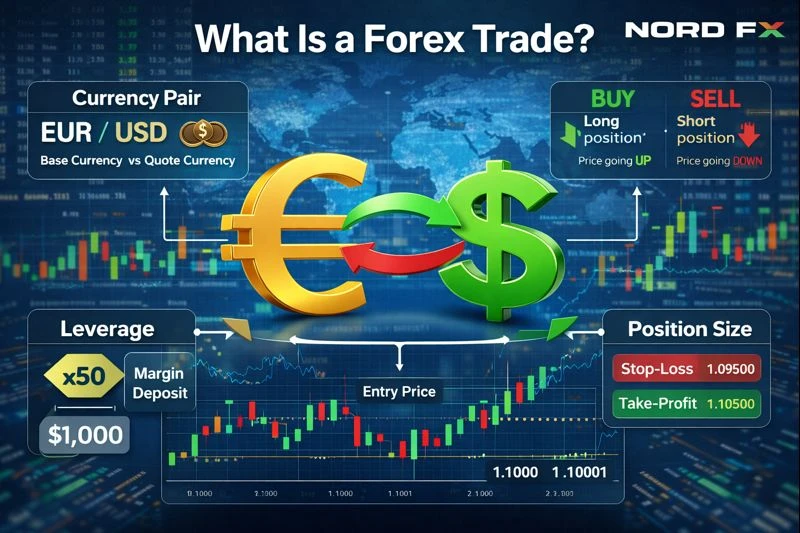
Contohnya, kadar pertukaran EUR/USD menunjukkan berapa banyak dolar AS diperlukan untuk membeli satu euro. Jika harga adalah 1.1000, ini bermakna satu euro bernilai 1.10 dolar AS. Sebarang perdagangan forex dalam pasangan ini mewakili pandangan sama ada kadar ini akan naik atau turun.
Mata wang pertama dalam pasangan dikenali sebagai mata wang asas, manakala mata wang kedua adalah mata wang sebut harga. Pergerakan harga menunjukkan perubahan dalam nilai mata wang asas berbanding mata wang sebut harga, dan memilih pasangan mata wang yang betul memainkan peranan penting dalam membentuk strategi pedagang.
Apa maksud membeli dan menjual dalam perdagangan forex
Dalam perdagangan forex, istilah beli dan jual mempunyai makna khusus. Apabila seorang pedagang membeli pasangan mata wang, mereka membeli mata wang asas dan menjual mata wang sebut harga pada masa yang sama. Apabila seorang pedagang menjual pasangan mata wang, mereka menjual mata wang asas dan membeli mata wang sebut harga.
Jika seorang pedagang membeli EUR/USD, mereka sebenarnya bertaruh bahawa euro akan menguat berbanding dolar AS. Jika harga naik, posisi boleh ditutup pada tahap yang lebih tinggi untuk keuntungan. Jika seorang pedagang menjual EUR/USD, mereka menjangka euro akan melemah, membolehkan mereka membelinya semula pada harga yang lebih rendah kemudian.
Keupayaan untuk berdagang dalam pasaran yang naik dan turun adalah salah satu ciri utama perdagangan forex dan sebab utama popularitinya di kalangan pedagang aktif.
Apa yang sebenarnya mendefinisikan perdagangan forex?
Perdagangan forex ditakrifkan oleh beberapa elemen yang saling berkaitan yang menentukan hasilnya. Setiap perdagangan melibatkan pasangan mata wang tertentu, arah (beli atau jual), saiz posisi, harga masuk, dan harga keluar. Perbezaan antara harga masuk dan keluar, disesuaikan untuk saiz posisi dan kos perdagangan, menentukan hasil akhir perdagangan.
Perdagangan dilaksanakan melalui platform perdagangan dalam talian yang menyediakan harga masa nyata dan pelaksanaan pesanan segera, biasanya menggunakan penyelesaian profesional seperti platform perdagangan MetaTrader 4. Pedagang boleh menutup posisi secara manual atau membenarkan tahap keluar yang telah ditetapkan untuk mengurus perdagangan secara automatik.
Bagaimana harga forex dikutip
Harga forex dikutip menggunakan dua nilai: harga bida dan harga tanya. Harga bida adalah tahap di mana pasaran bersedia untuk membeli mata wang asas, manakala harga tanya adalah tahap di mana ia bersedia untuk menjualnya. Perbezaan antara dua harga ini dikenali sebagai spread.
Spread mewakili salah satu kos perdagangan utama dalam forex. Apabila seorang pedagang membuka posisi, perdagangan pada mulanya menunjukkan kerugian kecil kerana ia dimasukkan pada harga tanya ketika membeli atau pada harga bida ketika menjual. Ini adalah ciri normal penetapan harga pasaran dan berlaku di semua pasaran kewangan yang cair.
Memahami pip dan pergerakan harga
Perubahan harga forex biasanya diukur dalam pip, yang merupakan unit pergerakan standard. Untuk kebanyakan pasangan mata wang utama, satu pip mewakili perubahan harga sebanyak 0.0001. Untuk pasangan yang melibatkan yen Jepun, satu pip biasanya 0.01.
Walaupun pergerakan pip kelihatan kecil, kesan kewangannya bergantung pada saiz posisi. Perdagangan forex yang berjaya bukan tentang mengejar pergerakan harga yang besar, tetapi tentang menguruskan hubungan antara risiko dan ganjaran berpotensi. Pedagang profesional memberi tumpuan kepada mengawal kerugian terlebih dahulu dan membiarkan keuntungan berkembang dalam had yang telah ditetapkan.
Saiz posisi dan volum perdagangan
Saiz posisi forex biasanya dinyatakan dalam lot, yang menyeragamkan volum perdagangan di seluruh pasaran. Satu lot standard biasanya mewakili 100,000 unit mata wang asas, manakala akaun yang lebih kecil mungkin berdagang dalam volum yang dikurangkan.
Memilih saiz posisi yang betul adalah kritikal untuk konsistensi jangka panjang. Daripada memberi tumpuan kepada berapa banyak keuntungan yang mungkin, pedagang yang berdisiplin menentukan saiz posisi berdasarkan berapa banyak yang mereka sanggup risiko pada satu perdagangan. Pendekatan ini membantu melindungi modal perdagangan semasa tempoh keadaan pasaran yang tidak menguntungkan.
Leverage dan margin dalam perdagangan forex
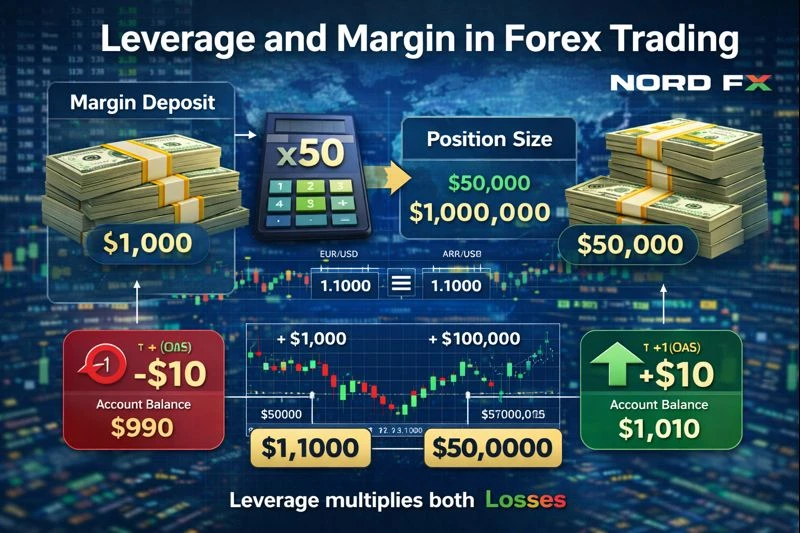
Salah satu ciri paling ketara dalam perdagangan forex adalah penggunaan leverage. Leverage membolehkan pedagang mengawal posisi yang lebih besar dengan jumlah modal yang agak kecil, dikenali sebagai margin. Walaupun ini meningkatkan fleksibiliti dan akses pasaran, ia juga meningkatkan risiko.
Leverage memperbesar kedua-dua keuntungan dan kerugian. Malah pergerakan harga yang kecil boleh memberi kesan yang ketara pada baki akaun. Atas sebab ini, leverage harus sentiasa digunakan dengan berhati-hati dan digabungkan dengan peraturan pengurusan risiko yang ketat.
Apa yang menggerakkan harga mata wang?
Harga forex dipengaruhi oleh pelbagai faktor. Kadar faedah dan dasar bank pusat memainkan peranan utama, kerana mata wang dari negara dengan kadar faedah yang dijangka lebih tinggi sering menarik lebih banyak pelaburan. Keputusan bank pusat, ucapan dan panduan ke hadapan dipantau dengan teliti oleh pedagang forex.
Data makroekonomi seperti angka inflasi, pertumbuhan ekonomi dan laporan pekerjaan juga boleh mempengaruhi nilai mata wang, terutamanya apabila hasilnya berbeza daripada jangkaan pasaran. Selain itu, sentimen risiko global mempengaruhi aliran modal, dengan pedagang menyesuaikan posisi semasa tempoh optimisme atau ketidakpastian.
Perkembangan politik, ketegangan geopolitik dan keputusan dasar yang tidak dijangka juga boleh menyebabkan pergerakan tajam dan mendadak dalam pasaran forex.
Waktu perdagangan forex dan kecairan
Pasaran forex beroperasi dua puluh empat jam sehari semasa minggu kerja, mengikuti waktu pembukaan pusat kewangan utama di seluruh dunia. Aktiviti pasaran dan volatiliti berbeza-beza bergantung pada waktu hari dan pasangan mata wang yang diperdagangkan.
Tempoh apabila sesi perdagangan utama bertindih sering melihat peningkatan kecairan dan pergerakan harga yang lebih cepat. Memahami bila pasangan yang dipilih paling aktif dapat membantu pedagang menyelaraskan strategi mereka dengan keadaan pasaran yang berlaku.
Pelbagai pendekatan untuk perdagangan forex
Perdagangan forex boleh dipegang untuk tempoh yang sangat singkat atau untuk jangka masa yang panjang, bergantung pada pendekatan pedagang. Sesetengah pedagang memberi tumpuan kepada turun naik harga harian, manakala yang lain bertujuan untuk menangkap trend yang lebih luas yang berkembang selama beberapa hari atau minggu. Pedagang jangka panjang mungkin membuat keputusan berdasarkan kitaran makroekonomi dan dasar bank pusat.
Tidak ada pendekatan yang betul untuk perdagangan forex. Kaedah yang paling berkesan adalah yang boleh dilaksanakan secara konsisten sambil mengekalkan kawalan risiko yang berdisiplin.
Jenis pesanan dan pengurusan perdagangan
Perdagangan forex boleh dimasukkan menggunakan pelbagai jenis pesanan. Posisi boleh dibuka serta-merta pada harga pasaran atau dimasukkan secara automatik pada tahap yang telah ditetapkan. Pesanan henti rugi dan ambil untung digunakan untuk mengehadkan potensi kerugian dan mengamankan keuntungan tanpa pemantauan berterusan.
Menggunakan tahap keluar yang telah ditetapkan membantu menjadikan perdagangan sebagai proses yang terstruktur daripada reaksi emosi terhadap pergerakan pasaran.
Contoh praktikal perdagangan forex
Bayangkan EUR/USD diperdagangkan hampir 1.1000. Seorang pedagang menjangka euro akan menguat dan membuka posisi beli. Henti rugi diletakkan di bawah tahap masuk untuk mengawal risiko, manakala tahap ambil untung ditetapkan di atas pasaran untuk menangkap keuntungan jika harga naik. Hasil perdagangan bergantung pada sama ada pasaran mencapai henti rugi, ambil untung, atau ditutup secara manual.
Contoh ini menyoroti prinsip teras perdagangan forex: risiko ditentukan sebelum perdagangan dimasukkan, bukan selepas.
Kos perdagangan yang perlu diketahui
Setiap perdagangan forex melibatkan kos yang mempengaruhi prestasi keseluruhan. Ini termasuk spread, kemungkinan komisen, caj pembiayaan semalaman untuk posisi yang dipegang melebihi satu hari perdagangan, dan slippage semasa tempoh volatiliti tinggi. Memahami kos ini adalah penting apabila menilai hasil perdagangan.
Apa yang perlu difokuskan oleh pemula terlebih dahulu
Bagi pemula, keutamaan haruslah mempelajari bagaimana perdagangan forex berfungsi secara mekanikal sebelum mencuba strategi yang kompleks. Memahami penetapan harga, leverage, saiz posisi dan kawalan risiko membentuk asas untuk konsistensi jangka panjang.
Menjaga perdagangan tetap sederhana, mengelakkan leverage yang berlebihan dan mengekalkan jangkaan yang realistik dapat membantu pedagang baru mengelakkan kesilapan yang paling biasa.
Pemikiran akhir
Perdagangan forex adalah posisi terstruktur pada nilai relatif dua mata wang dalam pasaran global yang sangat cair. Walaupun membuka perdagangan adalah secara teknikal mudah, kejayaan jangka panjang dalam perdagangan forex bergantung pada disiplin, pengurusan risiko dan pemahaman yang jelas tentang bagaimana pasaran beroperasi.
Amaran risiko: Perdagangan forex melibatkan risiko yang ketara dan mungkin tidak sesuai untuk semua pelabur. Kadar pertukaran boleh berubah dengan cepat, dan leverage boleh memperbesar kerugian. Sentiasa berdagang dengan bertanggungjawab dan pastikan anda memahami sepenuhnya risiko sebelum berdagang.
Go Back Go Back